

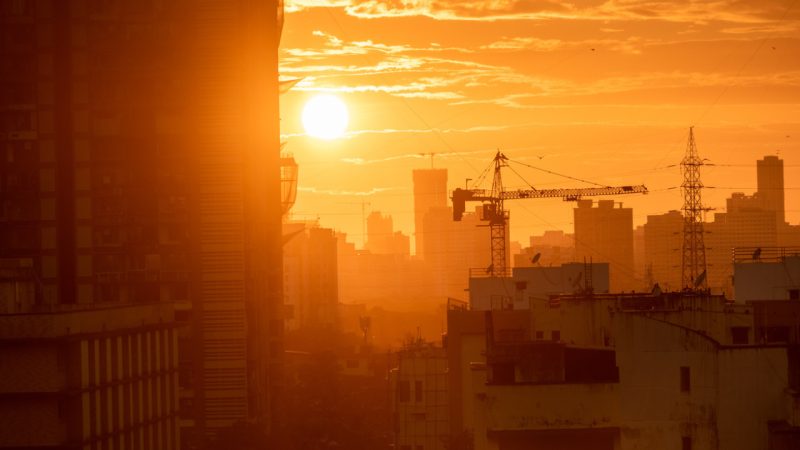
As temperatures rise across urban landscapes, a concerning phenomenon known as ‘heat pockets’ is emerging, particularly in densely built neighborhoods. These localized hotspots trap heat, causing discomfort and raising significant cardiovascular risks. Experts warn that prolonged exposure to these intense conditions could strain heart health, especially as summer approaches.
Understanding Heat Pockets
Heat pockets are localized areas within urban environments that experience elevated temperatures compared to surrounding regions. This effect is a scaled-down version of the Urban Heat Island phenomenon, where man-made materials-such as concrete and asphalt-absorb and retain heat throughout the day. These materials act like thermal batteries, soaking up sunlight and releasing it slowly at night, which prevents natural cooling. Learn more about this topic on Wikipedia.
Recent studies indicate that many Indian urban areas are now registering temperatures several degrees higher than their greener counterparts, particularly in neighborhoods with sparse tree cover or water bodies. The combination of narrow streets, heavy traffic, and numerous air conditioning units exacerbates this issue, generating additional heat that lingers in the air. Residents in these microclimates often find that even late evenings remain uncomfortably warm, depriving them of the cooling effects typically experienced after sunset.
Temperature and Heart Health
The impact of rising nighttime temperatures on heart health is profound. The human body relies on cooler nights to regulate internal temperatures and allow the cardiovascular system to recover from daily stressors. When nighttime temperatures remain elevated, the heart faces an increased workload.
This is primarily due to thermoregulation. To cool the body, the heart pumps more blood to the skin, facilitating heat dissipation through sweating. However, in conditions of high heat and humidity, this process becomes inefficient. Sweat evaporates slowly, forcing the heart to pump harder and faster to cool the body. Furthermore, excessive heat exposure can lead to dehydration, thickening the blood and requiring even more effort from the heart to circulate it.
Increased Risks for Vulnerable Populations
The implications of these heat pockets are particularly alarming for individuals with pre-existing health conditions, such as heart disease, hypertension, diabetes, or obesity. For these populations, the added strain from prolonged heat exposure can heighten the risk of serious health issues, including heart attacks and arrhythmias.
Public health officials stress the importance of awareness regarding these risks, especially as the summer months approach. With temperatures expected to soar, it’s crucial for individuals, particularly those at higher risk, to take proactive measures. Staying hydrated, avoiding prolonged exposure to heat, and recognizing the signs of heat-related illnesses can help mitigate these dangers.
Urban Design and the Future
The prevalence of heat pockets is often linked to urban design choices. Areas characterized by dense construction, tall glass buildings, and minimal vegetation tend to trap heat more effectively than those with ample green spaces. Urban planning experts argue that integrating more greenery, such as parks and trees, into city landscapes could significantly alleviate the effects of heat pockets.
Moreover, creating more water bodies and improving airflow in urban settings can enhance cooling and contribute to healthier environments. As cities continue to grow, innovative approaches to urban design will be essential in combating the adverse effects of rising temperatures and protecting public health.
The alarming rise in urban heat pockets poses a silent threat to heart health, particularly in densely populated areas with limited natural cooling. As temperatures climb, awareness and proactive measures will be vital in safeguarding vulnerable populations from heat-related health risks. Looking ahead, integrating sustainable practices in urban planning could offer a path toward mitigating these challenges, fostering not only cooler neighborhoods but also healthier communities.
Originally reported by Times Now News. View original.
