

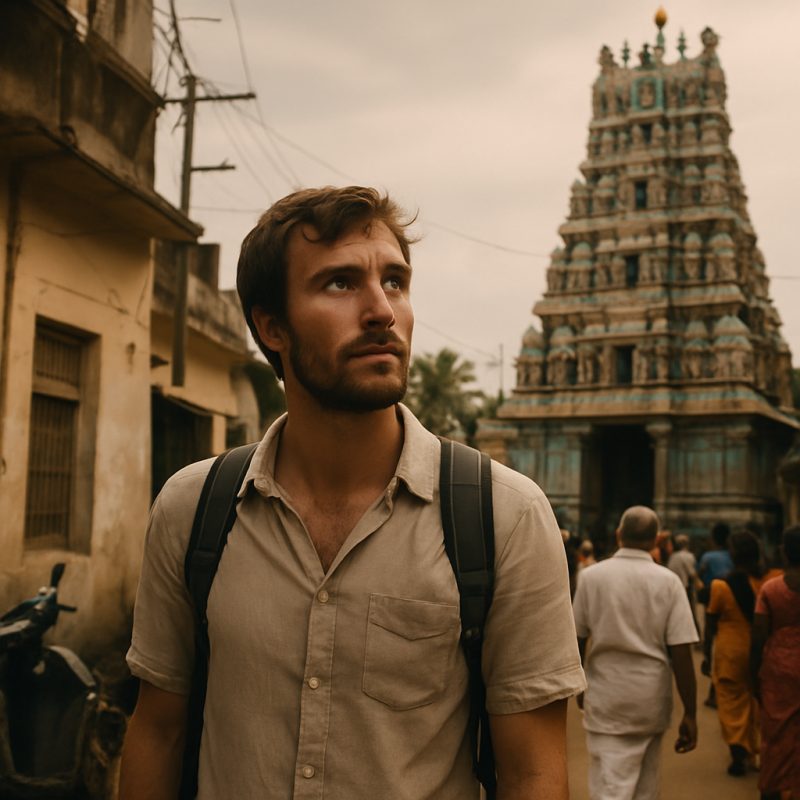
India has been identified as the leading destination for spiritually driven travel in Asia for the year 2026, according to a report by Agoda released on April 10, 2026. This trend highlights the growing global interest in spiritual journeys, with travelers increasingly seeking experiences that promote personal growth and enlightenment. With a remarkable 78% of respondents indicating plans to embark on such journeys, India’s rich cultural and spiritual heritage continues to attract visitors from around the world.
Significant Growth in Spiritual Travel Intentions
The report from Agoda reveals that 78% of surveyed travelers in Asia are planning spiritually focused trips in 2026. This statistic marks a significant increase compared to previous years, showcasing a shift in travel preferences. The rise in spiritually driven travel plans is particularly notable in India, where diverse religious practices and ancient traditions create a unique environment for such journeys. Notably, 52% of respondents expressed a desire to enhance their mental wellness through meditation and mindfulness retreats, further emphasizing the importance of spiritual experiences in their travel plans. Originally reported by Yahoo Finance Singapore.
Agoda’s findings indicate that travelers are not just looking for leisure experiences but are increasingly prioritizing personal development. This trend signifies a deeper understanding of the value of spiritual journeys, which often include activities like yoga, meditation, and participation in local rituals. As travelers become more attuned to their mental and emotional well-being, destinations like India stand as prime locations to fulfill these aspirations.
India’s Unique Offerings for Spiritual Seekers
India’s rich tapestry of spiritual destinations makes it an attractive choice for those seeking enlightenment and personal growth. Key locations such as Varanasi, Rishikesh, and Bodh Gaya offer unique experiences that resonate with spiritual travelers. Varanasi, one of the oldest inhabited cities in the world, is renowned for its ghats along the Ganges River, where pilgrims come to perform rituals and seek purification.
Rishikesh, often referred to as the ‘Yoga Capital of the World,’ draws countless visitors looking to immerse themselves in yoga and meditation. Similarly, Bodh Gaya, the site of Buddha’s enlightenment, attracts numerous spiritual seekers who wish to connect with the teachings of Buddhism. With such a variety of spiritual experiences available, India is poised to maintain its status as a leading destination for spiritually oriented travel.
Economic Impact of Spiritual Tourism
The growth of spiritually driven travel is not just a cultural phenomenon; it has significant economic implications for India. The influx of international tourists seeking spiritual experiences contributes to local economies, creating jobs in hospitality, wellness, and tourism sectors. The report suggests that spiritual tourism could potentially lead to a rise in revenue for local businesses, with travelers spending on accommodation, food, and activities during their stay.
Moreover, the trend towards sustainable and responsible travel is gaining momentum. Many spiritual travelers are looking to engage with local communities, participate in authentic experiences, and contribute positively to the regions they visit. This shift towards responsible tourism can foster sustainable practices within communities, ensuring that the cultural and spiritual heritage of India is preserved for future generations.
Future Trends in Spiritual Travel
As we look toward the future, the trend of spiritually driven travel is expected to grow even stronger. The increasing awareness of mental health and well-being among global travelers suggests that destinations promoting spiritual journeys will continue to thrive. Agoda’s report indicates that travelers will seek out more immersive experiences, which could lead to the development of specialized tours and programs focused on spirituality.
In addition, as technology continues to evolve, virtual and augmented reality experiences may become part of spiritual travel, allowing individuals to explore ancient sites and engage with spiritual practices from afar. However, the authentic experience of traveling to a destination like India will remain irreplaceable, as it offers deep cultural connections and the opportunity to engage with local traditions directly.
India’s status as the spiritual travel hub of Asia in 2026 is not just a reflection of its rich cultural heritage but also an acknowledgment of the shifting preferences of modern travelers. With a focus on mental wellness and personal growth, spiritual tourism is set to play an increasingly vital role in shaping the travel landscape in the years to come.
Originally reported by Yahoo Finance Singapore. View original.
