

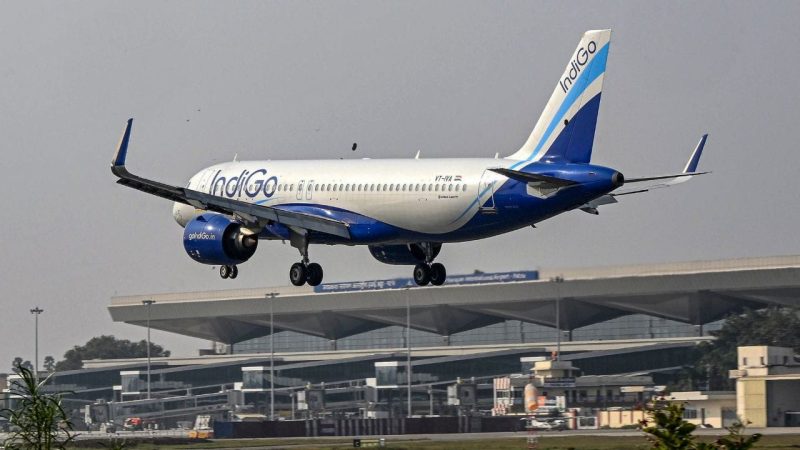
IndiGo, India’s largest airline, has announced an increase in fuel charges for both domestic and international flights effective from October 6, 2026. This decision comes as a response to a significant surge in Aviation Turbine Fuel (ATF) prices, which have risen by over 14% month-on-month due to ongoing geopolitical tensions in West Asia. Passengers can expect higher levies on numerous routes, which may lead to further increases in airfare.
Details of the Revised Fuel Charges
The new fuel charges will be applicable to all bookings made after 12:01 AM on October 6. Passengers who bought tickets prior to this date will not be subjected to the increased fees. For domestic flights, the changes vary based on distance. Flights covering up to 500 kilometers will now incur a fuel charge of Rs 375, an increase of Rs 100. Flights between 500 and 1,000 kilometers will see a rise to Rs 600, while those spanning 1,000 to 1,500 kilometers will attract a charge of Rs 900. Learn more about this topic on Wikipedia.
For longer domestic journeys, the charges escalate further: flights between 1,501 and 2,000 kilometers will now carry a fee of Rs 1,150, and routes exceeding 2,000 kilometers will face a fuel charge of Rs 1,300. These adjustments reflect the airline’s ongoing efforts to manage rising operational costs while still providing service to its customers.
Impact on International Travelers
International passengers will face even steeper increases on various routes. Flights to and from West Asia, which cover distances up to 2,000 kilometers, will now incur a surcharge of Rs 5,500-an increase of Rs 2,500. Similarly, flights to Southeast Asia and China will also attract a Rs 5,500 charge. Passengers traveling to Africa will see a hike in their costs, with the surcharge now set at Rs 6,000.
For travelers heading to Greece and Turkey, the fuel charge has surged to Rs 10,000, while the cost for other European destinations remains unchanged at Rs 10,000. This price adjustment is part of IndiGo’s broader strategy to mitigate the financial impact of rising fuel costs on its operations.
Geopolitical Factors and Fuel Price Volatility
IndiGo’s decision to increase fuel charges is closely linked to the volatility of ATF prices, which have been significantly affected by geopolitical events, particularly in the Middle East. The airline has stated that the recent increase in fuel prices is among the highest seen in the last decade. ATF costs comprise a substantial portion of an airline’s operating expenses, and the current market conditions have compelled IndiGo to make these adjustments to maintain its financial viability.
“ATF prices have remained volatile in recent months, especially following geopolitical issues in the Middle East. The continuous rise in fuel prices, with the latest month-on-month increase exceeding 14%, has taken ATF costs to levels that are amongst the highest in the last decade,” IndiGo noted in a statement. The airline characterized the current increase as a measured and relatively modest adjustment, indicating that a larger hike would have been necessary to fully offset rising fuel costs.
Future Outlook for Air Travel Costs
As the aviation industry navigates these challenging economic conditions, passengers should prepare for the possibility of continued fare increases. The rising costs of fuel are likely to impact not only IndiGo but also other airlines operating within the region. This trend may lead to a reevaluation of pricing strategies across the board as carriers strive to balance operational costs with customer demand.
Travelers are encouraged to stay informed about potential changes in ticket prices, particularly for long-haul international flights and popular domestic routes that could see significant fare adjustments. While IndiGo emphasizes that the increase is a necessary step to offset rising fuel costs, it also reflects the broader challenges facing the global airline industry in the wake of fluctuating fuel prices.
Originally reported by News9live. View original.
