

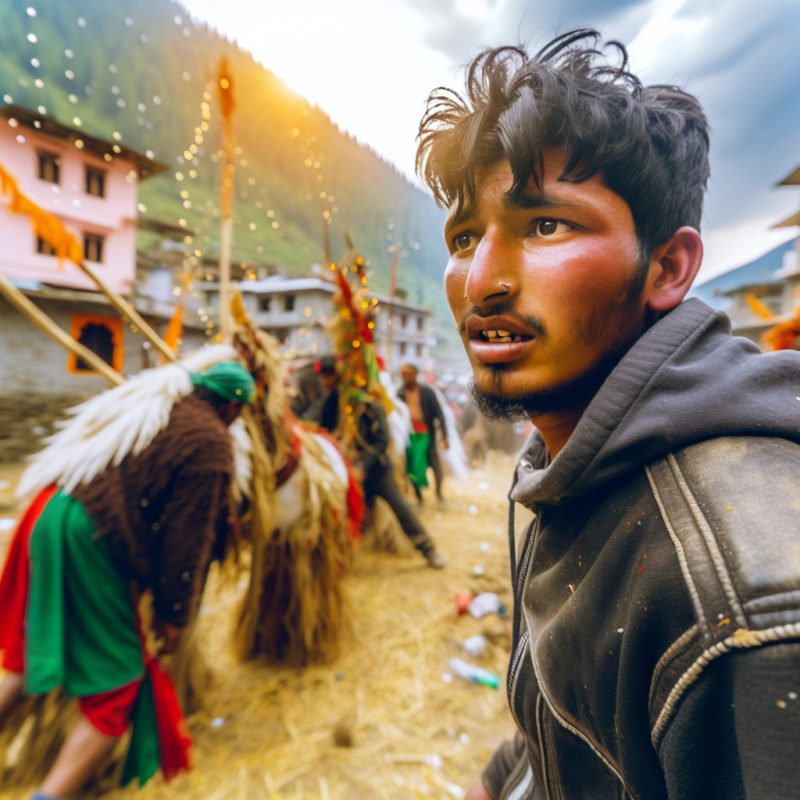
The Pipal Jatar Festival in Kullu has become a vibrant showcase of India’s Himalayan heritage, drawing thousands of visitors and strengthening cultural tourism in the region. Held annually, this festival celebrates the rich traditions, art, and community spirit of the local population. This year’s event took place from April 25-27, 2026, and attracted an estimated 15,000 attendees. It featured a variety of activities aimed at promoting local artisans, culture, and the unique beauty of the Himalayas.
Cultural Significance of Pipal Jatar
Pipal Jatar is more than just a festival; it’s a celebration of the unique identity of the Kullu Valley. Traditionally associated with the worship of deities, the festival brings together locals and tourists alike to experience the region’s rich tapestry of customs. The event is named after the sacred Pipal tree, which holds spiritual significance in Hindu culture. Over the years, it has evolved into a platform for cultural exchange, allowing artisans to showcase their crafts and for visitors to engage with local traditions. Originally reported by Travel And Tour World.
During the festival, attendees can enjoy traditional music and dance performances, participate in workshops, and explore stalls featuring local handicrafts and cuisine. This year, the festival highlighted the efforts of over 100 artisans, with an emphasis on sustainable practices and the preservation of traditional crafts.
Economic Boost and Community Engagement
The Pipal Jatar Festival has had a substantial economic impact on the local community. According to organizers, the event generated approximately 2 crore INR in revenue, benefiting local businesses and artisans. Hotel occupancy rates surged to nearly 90%, providing a significant boost to the hospitality sector. Local vendors reported increased sales, with some artisans noting a 40% rise in demand for their products during the festival.
Community engagement is a crucial aspect of the festival. Local schools participated in cultural performances, showcasing the talents of young artists. This involvement fosters a sense of pride among residents and encourages the younger generation to appreciate and continue their cultural heritage. Moreover, workshops on traditional crafts have been instrumental in passing down skills to the next generation, ensuring the longevity of these traditions.
Environmental Awareness and Sustainability
In recent years, there has been a growing emphasis on environmental sustainability within the festival’s framework. Organizers have taken steps to minimize the ecological footprint of the event. This year, initiatives included waste segregation, the use of biodegradable materials, and promoting eco-friendly practices among vendors. Attendees were encouraged to participate in clean-up drives, reinforcing the message of environmental stewardship.
Additionally, local farmers showcased organic produce, promoting sustainable agriculture practices. Workshops on environmental conservation drew attention to the challenges faced by the Himalayan ecosystem, emphasizing the importance of preserving this unique environment for future generations.
Looking Ahead: The Future of Pipal Jatar
As the Pipal Jatar Festival continues to grow in popularity, plans are underway to expand its reach while maintaining its cultural integrity. Organizers are exploring the possibility of incorporating more international artists and cultural exchanges in future editions, aiming to create a more diverse and enriching experience for attendees.
The potential for increased tourist engagement is evident, with discussions around enhancing infrastructure and accessibility for visitors. Local authorities are committed to promoting sustainable tourism that benefits both the community and the environment. With its focus on cultural heritage and community involvement, the Pipal Jatar Festival is set to become a cornerstone of cultural tourism in India.
The success of this year’s festival underscores the importance of preserving and celebrating cultural traditions while fostering community spirit and economic growth. As the Himalayas continue to captivate travelers from around the world, events like the Pipal Jatar Festival will play a vital role in promoting India’s rich heritage and natural beauty.
Originally reported by Travel And Tour World. View original.
