

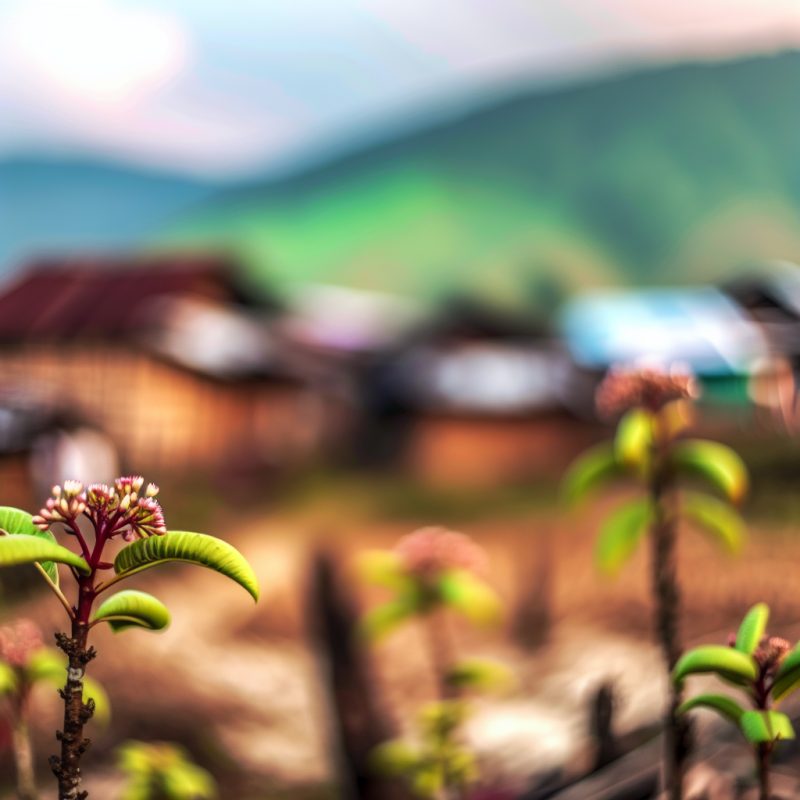
Arunachal Pradesh is making waves in the world of flower tourism as Sibuk Village takes a pioneering step by cultivating Dikong saplings. This initiative, which began in 2026, aims to enhance the region’s appeal to both domestic and international travelers. With its breathtaking landscapes and vibrant floral displays, Sibuk Village is set to become a key destination for flower enthusiasts and nature lovers alike.
Dikong Saplings: A Blossoming Investment
The cultivation of Dikong saplings in Sibuk Village represents a significant investment in flower tourism. Local farmers from the region have started planting these saplings, which are known for their striking beauty and resilience. This initiative is part of a broader effort to promote sustainable tourism and generate income for the community. Farmers are optimistic, believing that the market for flowers will continue to grow, leading to increased profits and job opportunities. Originally reported by Travel And Tour World.
According to local agricultural experts, the sale of flowers can yield substantial returns. An average Dikong sapling can be sold for around ₹300, and as the demand for unique floral displays rises, the income potential for farmers could significantly increase. This, in turn, would contribute to the local economy and improve living standards.
Community Engagement and Training Initiatives
Community involvement has been a cornerstone of the Dikong cultivation project. Local authorities have organized training sessions for farmers, educating them on best practices for planting and maintaining the saplings. These workshops cover essential topics such as soil management, pest control, and sustainable farming techniques.
In addition to these workshops, the initiative has fostered a sense of community among the farmers. They share knowledge and experiences, creating a collaborative environment that encourages innovation. The engagement of the youth in these activities has also been notable, with many young individuals stepping forward to learn and participate in the cultivation process.
Boosting Tourism: Attracting Visitors to Sibuk Village
As Sibuk Village cultivates its identity as a flower tourism hub, efforts are underway to attract visitors. Local tourism officials are working on creating packages that highlight the beauty of the Dikong flowers, along with guided tours through the picturesque landscape of Arunachal Pradesh. These tours not only showcase the flowers but also allow visitors to experience the rich culture and traditions of the local communities.
The introduction of flower festivals is also on the horizon. Such events could feature competitions, workshops, and exhibitions, drawing flower enthusiasts from across the country and beyond. By organizing these festivals, Sibuk Village aims to create a vibrant atmosphere that celebrates nature and culture, further solidifying its place on the tourism map.
Environmental Considerations and Sustainable Practices
While the focus on flower tourism is promising, environmental sustainability remains a priority for Sibuk Village. The cultivation of Dikong saplings is designed to be eco-friendly, utilizing organic farming practices to minimize the impact on the local ecosystem. This approach is essential, as Arunachal Pradesh is known for its rich biodiversity and unique flora and fauna.
Farmers are encouraged to adopt sustainable methods that not only preserve the environment but also enhance the quality of the flowers produced. This dual focus on tourism and sustainability is crucial for ensuring the long-term success of the initiatives in Sibuk Village.
Local officials are optimistic about the future of flower tourism in Arunachal Pradesh. They believe that with continued investment and community involvement, the region can become a leading destination for flower lovers and an example of how tourism can benefit local communities economically while preserving the environment.
As the flowers bloom and the community thrives, Sibuk Village is poised to become a beacon of hope in the world of flower tourism. With its unique offerings and commitment to sustainability, the village is not just cultivating saplings; it’s cultivating a brighter future for its residents and the local economy.
Originally reported by Travel And Tour World. View original.
